Hairline cracks, potholes, and alligator cracking do not fix themselves. Porter catches them early with crack filling, patching, and an honest read on what the surface actually needs next.
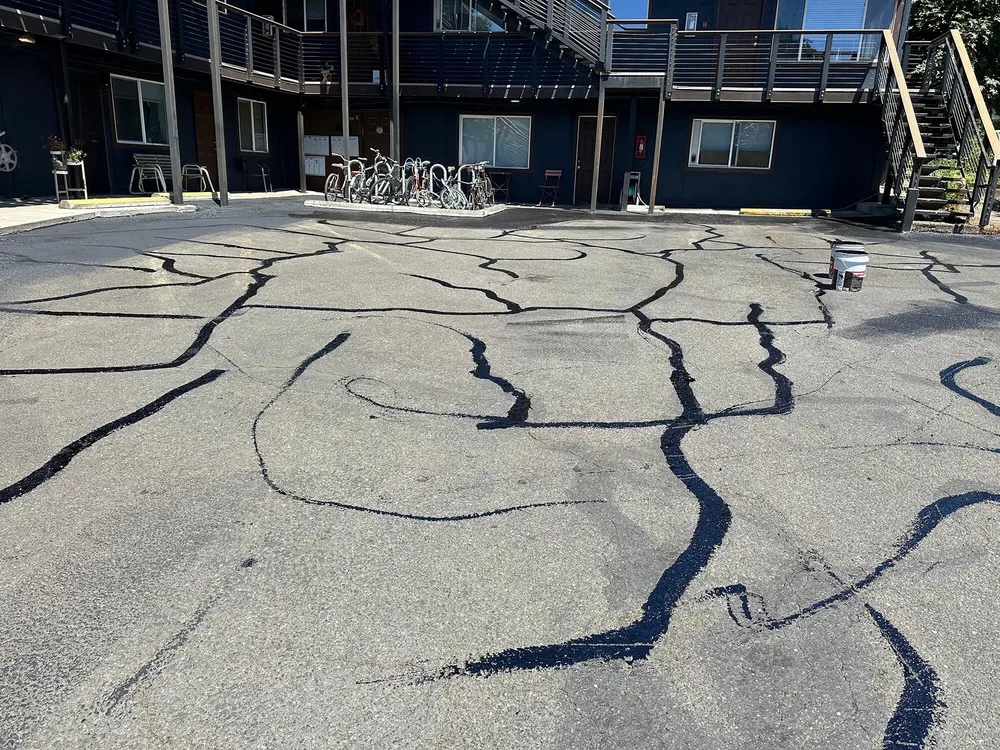
Thin cracks in a web pattern. Porter fills and seals them so water cannot get underneath and start breaking up the base.
Alligatored patches
Cracking that looks like alligator skin means the base has failed, not just the surface. That section gets cut out and patched, not filled over.
Potholes
A base failure that has already broken through. Porter cuts out the damaged area, corrects the base, and compacts fresh asphalt back in layers.
Standing water
Water pooling instead of draining wears on asphalt with every freeze. Sometimes it is a crack-seal fix, sometimes a patch and a regrade.
Faded, graying surface
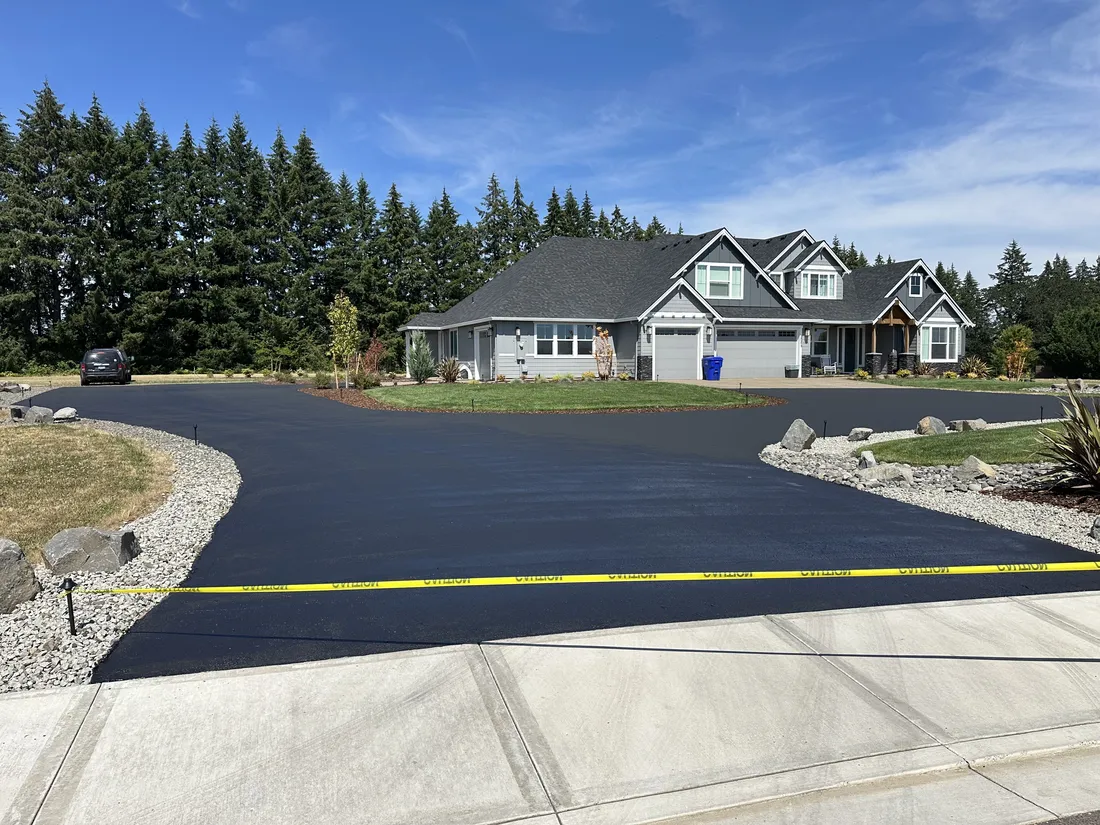
Gone from black to gray, it has lost its protective layer to sun and weather. That is a sealcoating signal, not a repair one.
What We Fix
Four Kinds of Asphalt Repair
From one pothole to trench patching after a utility crew tears through a lot, these are the repair calls Porter runs most across Gresham, Portland, Troutdale, and Oregon City.
Crack Filling & Sealing
Also called crack sealing, hot sealant pressed into cracks before they widen. The cheapest repair here, and the one that prevents most others.
Pothole Repair
Full-depth repair: cut out the failed asphalt, correct the base, then compact fresh asphalt back in layers so it holds.
Asphalt Patching
Larger soft spots and low areas that hold water get cut to a clean edge and patched to match the surrounding grade.
Trench Repair After Utility Work
Water, sewer, and cable crews cut trenches and backfill them loose. Porter compacts the base and patches it flush, the repair most property managers and HOAs call about.
Straight Answers
Repair or Replace?
Not every crack needs a repave, and not every pothole is worth patching a third time. Here is how Porter decides.
A Repair Usually Makes Sense When
Cracking limited to one section, not spread across the whole surface
The base is solid; only the top layer took the damage
One pothole or a handful, not a pattern that keeps reopening in the same spots
Sealcoated on a normal schedule, and just needs the damage addressed
It Is Time To Replace When
Cracking or alligatoring has spread across most of the surface, not just one spot
The base has failed, so patches keep reopening within a season or two
Drainage or grading problems keep sending water back into the same low spots
A full repave or overlay costs less than patching the same spot again and again
The Cheap Insurance
Maintenance Is What Keeps Repair Cheap
Every repair on this page has a cheaper version of itself: the one that happens before the damage spreads. Sealcoating every 3 to 5 years protects the surface from the sun and water that start most of these problems.
Crack filling before that sealcoat goes down keeps cracks from working under the new seal instead of getting sealed shut. It costs far less than cutting out a section later, or a replacement.
3–5
Years between sealcoats
20–25
Years to resurfacing, with upkeep
Reviews
Small Jobs Get The Same Care
“I was skeptical because of past experiences… No worries with Porter … Great job .. I would recommend him to do the job …”
C
curtiss potter
Google review
“Porter and his crew did a great job. They use quality products and their customer service is on point. Highly recommended.”
B
bubba zanetti
Google review
Not Sure If It Needs Repair or Replacement?
Ask the owner. Porter looks at it in person and tells you straight.
About a year or more, depending on traffic and weather. A properly compacted patch buys real time, though a busy driveway apron will not hold up as long as a low-traffic corner of a lot.
Can you patch a trench after utility work?
Yes. Utility crews cut trenches and backfill them loose, which is why lots often end up with a dip along the cut months later. Porter compacts the base and patches it flush with the surrounding asphalt.
How do you know when asphalt is beyond repair?
When cracking covers most of the surface, when the base itself has failed, or when the same spot keeps reopening no matter how many times it gets patched.
Does crack filling actually stop a crack from spreading?
It does not heal the crack, but it keeps water and debris from working underneath it, which is what turns a hairline crack into a pothole. Sealing it early stops the spread.
How often does asphalt need to be resurfaced?
With regular sealcoating and crack repair, most driveways and lots go 20 to 25 years before needing a full resurface or overlay. Skip the maintenance and that window shrinks fast.
Tell us what the surface is doing, cracks, potholes, or a soft spot after a utility cut, and we’ll tell you what it actually needs. Every estimate is free, and there’s never pressure.